
Picking the Right Foundation Plants
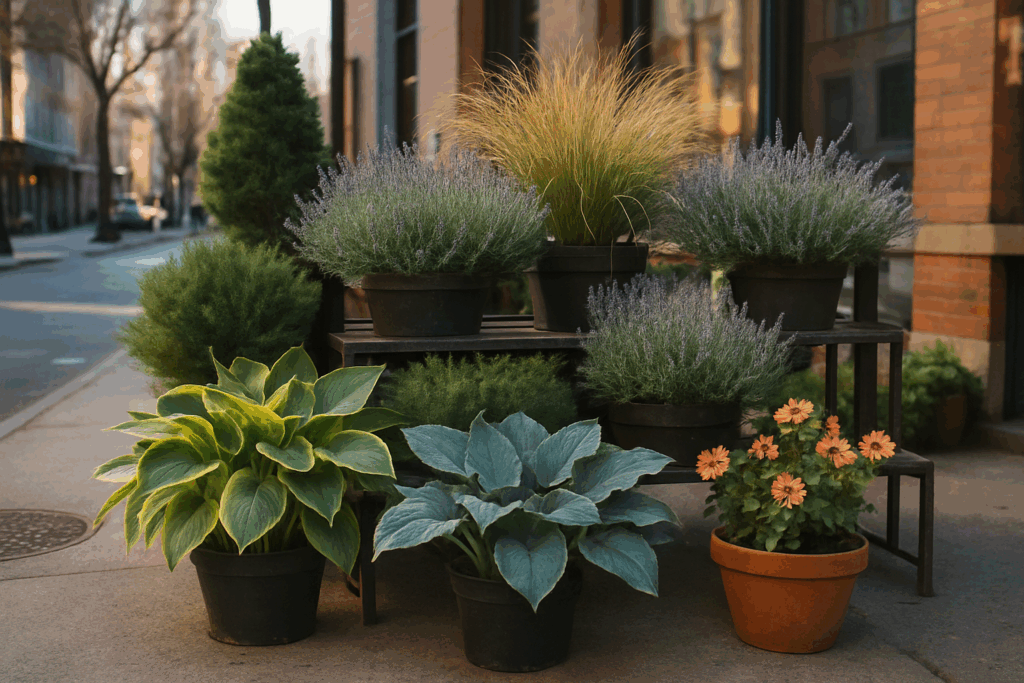
Choosing the right foundation plants is the first and arguably most important step in building a calming, cohesive backyard oasis. These plants set the tone for your outdoor space by creating structure, year round interest, and a sense of balance.
Start with Low Maintenance Evergreens
Evergreens serve as steady anchors in your landscape design. Their ability to stay vibrant throughout the year keeps your garden visually interesting even in off seasons.
Boxwood: Ideal for clean borders or sculpted shapes
Dwarf holly: Hardy and compact with a classic appeal
Juniper varieties: Great for low ground cover with minimal upkeep
Yew and arborvitae: Tall, elegant options for backdrops or hedges
Add Structure with Shrubs and Small Trees
Shrubs and small trees introduce height, color, and privacy to your layout. When chosen strategically, they also help define outdoor ‘rooms.’
Japanese maple: Delicate foliage and stunning seasonal color
Hydrangea: Lush blooms that soften structural lines
Smoke bush: Bold, deep hues that contrast nicely with greenery
Crape myrtle or serviceberry: Compact, eye catching trees with multi season interest
Layer for a Natural Look
Layering plants by height creates depth and a more organic feel. The key is to stagger taller plants toward the back and taper down to ground level textures near walkways or seating areas.
Tips for layering:
Place evergreens deeper in beds as a visual anchor
Use mid height shrubs in front of trees or along fences
Add low perennials and ground cover at the edge for softness
Mix textures think broad leaves with finer foliage
A well layered design mimics what you’d find in nature, making your backyard feel more serene and immersive.
Go Green with Tropical Vibes
Tropical plants are a shortcut to turning a plain backyard into something that feels a little more like vacation. Start with the classics: monstera, bird of paradise, and banana plants. Big leaves, bold shapes, and a strong visual presence there’s a reason these are on trend. They’re not just Instagram friendly; they make a statement.
The good news? You don’t need a rainforest climate to pull this off. Look for hardy tropical style varieties that can handle cooler nights and unpredictable seasons. Options like hardy banana (Musa basjoo), fatsia japonica, or elephant ears don’t mind a temperate zone and bounce back year after year with minimal fuss.
For best effect, don’t scatter them. Cluster your tropicals together to create a focal point or a leafy corner escape. Layers matter try mixing shorter filler like caladiums with tall background anchors like canna lilies or palms (if your climate allows). The mix of heights and textures keeps things feeling lush, not chaotic. Bonus: many of these stay attractive even when not in bloom, giving your backyard year round appeal with just a few strategic groupings.
Color with Purpose
Flowers should lift the space, not hijack it. The right blooms add energy without making your yard feel crowded or chaotic. Think coreopsis, salvia, or echinacea plants that bring rich color but keep a low profile. Stick to 2 3 color families to avoid a patchwork effect. Soft blues, hot pinks, or buttery yellows pick your vibe, and repeat it with intention.
To keep your backyard vibrant all year, stagger seasonal choices. Spring can kick off with tulips and daffodils. Summer belongs to zinnias, marigolds, and black eyed Susans. Come fall, mums and ornamental kale take over the baton. Curl around winter with ornamental grasses or cold tolerant pansies to extend visual interest.
Smart placement makes the difference between a wild tangle and a well composed view. Drop taller flowers toward the back or against fences for structure. Cluster mid height bloomers in groups of three or five so they look like intentional highlights, not afterthoughts. Skip the straight lines gentle drifts and irregular spacing feel more natural and create smoother flow across the space.
Herbs & Edibles That Elevate Ambience
Edible plants aren’t just for kitchen gardens they can be the centerpiece of a beautiful, functional backyard oasis. The right herbs and fruiting plants add aroma, visual texture, and utility to your outdoor design.
Beautiful and Useful Herbs
Low maintenance, aromatic, and incredibly versatile, these herbs pull double duty in both form and function:
Lavender Adds soft color and a calming scent; great in borders or containers.
Rosemary A structured herb that works well as a small hedge or decorative centerpiece.
Mint Fast spreading with a refreshing scent, ideal for planters or herb corners.
Tip: Keep mint in containers to prevent it from overtaking other plants.
Citrus Trees and Potted Edibles
Fruit producing plants can add both style and substance to your backyard. Even small spaces can benefit from a few containers filled with edible greenery.
Dwarf citrus trees Lemon, lime, and kumquat trees thrive in pots and offer year round color.
Cherry tomatoes Easy to grow in containers and decorative when fully matured.
Peppers or lettuce varieties Integrate into layered planting beds for a textured, edible border.
Scents that Set the Tone
A backyard oasis should stimulate all the senses. Scented foliage enhances relaxation and creates a welcoming, immersive atmosphere:
Lemon balm Mildly citrusy and calming.
Thyme and oregano Two fragrant ground covers that also repel pests.
Basil Brings a fresh aroma to the space and flavor to your meals.
Layering these herbs and edibles into your design adds not just color and flavor but a deepened sensory experience that invites you to linger outside.
Drought Tolerant Favorites
Not every backyard has the luxury of constant irrigation or the free time for high maintenance plants. That’s where drought tolerant picks come in. Succulents like agave, echeveria, and sedum bring bold textures and low demands. You can set them in clusters for visual strength, or tuck singles into rock gardens for contrast. Ornamental grasses like blue fescue and muhly grass add movement and a natural edge with almost no upkeep. And native plants, adapted to your local climate, outlast imported varieties while supporting pollinators and soil health.
Placement is half the game. Group plants with similar water needs. Use raised beds or mounded soil to improve drainage most drought friendly species hate wet feet. Keep higher need varieties closer to the house or hose, and let the outer edges go wild with resilient growers that thrive on occasional rain.
Done well, it’s a visual win with a small footprint. You’ll get structured greenery, seasonal color, and wild appeal all without constantly lugging a watering can around. Sustainable landscaping, when smart and intentional, looks effortless and lasts.
Mood Setters: Planting For Shade & Privacy
Creating a private escape doesn’t have to mean pouring concrete or building a wall. Plants can do the heavy lifting quietly, beautifully, and with a lot more character. Bamboo is a go to for a reason: it grows fast, stays green year round, and doubles as a swaying screen that softens sound and sightlines. Pair it with tall ornamental grasses like miscanthus or switchgrass for texture and seasonal color shifts. If you’ve got the space, fast growing trees like leyland cypress or thornless honey locust can create a natural canopy in a couple years.
For vertical interest, climbers like jasmine, honeysuckle, and clematis work wonders. Train them up wooden trellises or let them sprawl across pergolas instant green curtain, bonus fragrance. You get shade, privacy, and visual drama without bulky structures.
The goal? A backyard that feels like a retreat, not a construction site. Plant smart and let nature do the work.
For more visual inspiration and layout tips, check out these backyard oasis ideas.
 Irene Mooressit writes the kind of outdoor living ideas content that people actually send to each other. Not because it's flashy or controversial, but because it's the sort of thing where you read it and immediately think of three people who need to see it. Irene has a talent for identifying the questions that a lot of people have but haven't quite figured out how to articulate yet — and then answering them properly.
They covers a lot of ground: Outdoor Living Ideas, DIY Home Improvement Projects, Sustainable Home Practices, and plenty of adjacent territory that doesn't always get treated with the same seriousness. The consistency across all of it is a certain kind of respect for the reader. Irene doesn't assume people are stupid, and they doesn't assume they know everything either. They writes for someone who is genuinely trying to figure something out — because that's usually who's actually reading. That assumption shapes everything from how they structures an explanation to how much background they includes before getting to the point.
Beyond the practical stuff, there's something in Irene's writing that reflects a real investment in the subject — not performed enthusiasm, but the kind of sustained interest that produces insight over time. They has been paying attention to outdoor living ideas long enough that they notices things a more casual observer would miss. That depth shows up in the work in ways that are hard to fake.
Irene Mooressit writes the kind of outdoor living ideas content that people actually send to each other. Not because it's flashy or controversial, but because it's the sort of thing where you read it and immediately think of three people who need to see it. Irene has a talent for identifying the questions that a lot of people have but haven't quite figured out how to articulate yet — and then answering them properly.
They covers a lot of ground: Outdoor Living Ideas, DIY Home Improvement Projects, Sustainable Home Practices, and plenty of adjacent territory that doesn't always get treated with the same seriousness. The consistency across all of it is a certain kind of respect for the reader. Irene doesn't assume people are stupid, and they doesn't assume they know everything either. They writes for someone who is genuinely trying to figure something out — because that's usually who's actually reading. That assumption shapes everything from how they structures an explanation to how much background they includes before getting to the point.
Beyond the practical stuff, there's something in Irene's writing that reflects a real investment in the subject — not performed enthusiasm, but the kind of sustained interest that produces insight over time. They has been paying attention to outdoor living ideas long enough that they notices things a more casual observer would miss. That depth shows up in the work in ways that are hard to fake.