
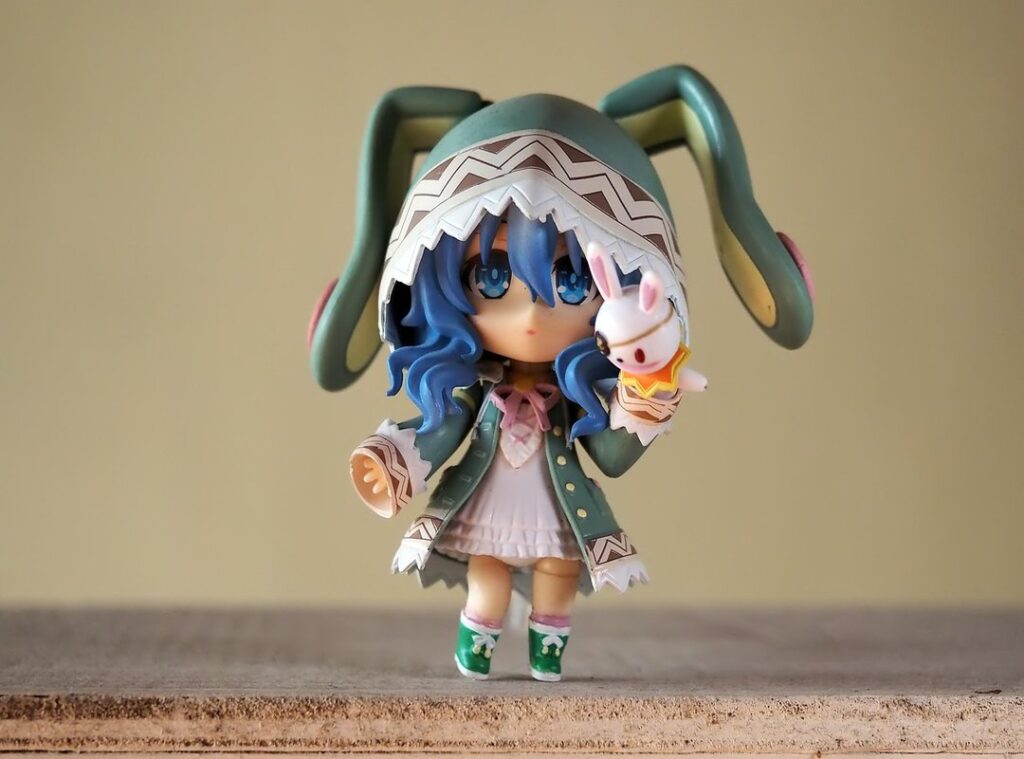
Have you ever wanted to draw adorable, expressive characters but felt stuck on getting the proportions right? This is where kawaii chibi bases come in, acting as a perfect starting point for artists of all skill levels. This guide will explain exactly what kawaii chibi bases are, where to find them, and how to use them to bring your own unique characters to life.
By the end of this read, you’ll have the confidence and knowledge to start creating cute chibi art today. The ‘kawaii’ (cute) aesthetic is incredibly appealing, and the chibi style is especially beloved in art communities for its simplicity and charm.
Breaking Down the Basics: What Makes a Chibi ‘Kawaii’?
Chibi is a Japanese slang word that means ‘short’ or ‘small person.’ It’s used to describe a specific style of caricature where characters are drawn in an exaggerated, cute way.
Kawaii is all about cuteness in Japanese culture. Think big eyes, simple features, and a child-like appearance. It’s like the visual equivalent of a warm hug.
In art, a base is a pre-drawn template or mannequin. Artists use it as a starting point, drawing over it to create their own characters. This saves a lot of time on anatomy and posing.
So, when you put it all together, kawaii bases chibi are templates designed with those cute, super-deformed proportions—large heads, small bodies. They’re perfect for creating adorable, expressive characters.
Why do artists love this style? For one, it’s incredibly expressive. You can show a wide range of emotions with just a few simple lines.
Plus, it’s a great way for beginners to practice character design and emotion without getting bogged down by complex anatomy.
Simplicity is key here. It lets you focus on the fun part—bringing your characters to life.
How to Find and Use Chibi Bases Like a Pro
Finding the right chibi base can be a game-changer. Popular sources include DeviantArt, Pinterest, and specialized art forums. These platforms offer both free-to-use (F2U) and pay-to-use (P2U) bases.
Some people argue that using bases is cheating. They think it stifles creativity. But here’s the deal: bases are just tools.
They help you get started and focus on your unique style.
Step-by-step guide for digital artists:
- Download the base image.
- Open it in your preferred art software (like Procreate, Clip Studio Paint, or Photoshop).
- Create a new layer on top of the base layer.
- Lower the opacity of the base layer.
- Draw your character’s hair, clothes, and details on the new layer, using the base as a guide.
Crediting the original artist is crucial. Most base creators require credit. It’s not just polite; it’s often a requirement.
Do it properly by adding something like “Base by [Artist Name] on [Platform]”.
For traditional artists, print a base lightly onto paper or use a lightbox to trace the proportions. Then, add your own details with pencil and ink. This way, you still get the benefits of a base without going fully digital.
Quick checklist for choosing a good base:
- High resolution
- Clean lines
- Clear usage rules
Using kawaii bases chibi can make your characters extra adorable. Just remember, the key is to respect the creator’s terms and use the base as a starting point, not a crutch.
Anatomy of a Perfect Chibi Base: What to Look For
When you’re diving into the world of chibi art, proportions are key. The typical chibi head-to-body ratio is often 1:2 or 1:3. This means the head is half or a third of the total height.
Compare that to realistic human proportions, which are around 1:7 or 1:8. kawaii bases chibi
Now, let’s talk about poses. A static, ‘T-pose’ base can be useful for beginners, but it’s not very exciting. A dynamic base with an interesting pose can instantly make the final artwork more engaging and full of personality.
Think about it—would you rather draw a character standing still or one that’s in the middle of an action?
The line art matters too. A good base should have clean, smooth lines that are easy to draw over. Avoid bases with blurry, pixelated, or ‘sketchy’ lines.
Those can be a nightmare for beginners to work with. Trust me, I’ve been there.
Here’s what to look for in a great chibi base:
1. Proportions: Stick to the 1:2 or 1:3 head-to-body ratio.
2. Pose: Go for dynamic poses that add personality.
3.
Line Art: Clean, smooth, and easy to draw over.
Variety packs are a goldmine. Many artists offer base packs that include multiple poses, different body types (like slender, chubby), and various facial expressions. These kawaii bases chibi provide great value and flexibility.
Adaptability is crucial. The best bases are simple enough to allow for easy customization. You should be able to add unique features that define your character.
This way, even if you start with a base, your final artwork feels like it’s truly yours.
In summary, finding the right chibi base is all about balance. You want something that’s proportionally correct, dynamically posed, and easy to work with. And don’t forget, the ability to customize is what makes your art stand out.
Common Mistakes to Avoid When Using Chibi Art Bases
I once spent hours perfecting a chibi character, only to have a friend point out that the hair and clothes looked like they were pasted on. Ouch. That’s when I learned the first big mistake: stiff or ‘pasted-on’ hair and clothes.
You need to draw hair and clothing that flows with the shape and movement of the base. Think about how the fabric would drape or how the hair would move in the wind. It makes a huge difference.
Another common pitfall is ignoring the base creator’s rules. Always check for and follow rules about crediting, selling art made on the base, or using it for commissions. It’s not just polite; it’s the right thing to do.
Becoming too reliant on bases is another issue. Kawaii bases chibi are great tools, but they should be a stepping stone, not a crutch. Practice drawing chibi anatomy from scratch to develop your own style.
Trust me, it’s worth the effort.
Lastly, avoid creating ‘clones’. Each character should have unique facial features, expressions, and body shapes. Customizing these elements helps bring out the personality of each character.
By avoiding these mistakes, you’ll create more dynamic and unique chibi art.
Start Creating Your Own Adorable Characters Today
We’ve covered what kawaii bases chibi are, how to find them, and the best practices for using them effectively. Using bases is a fantastic way to jumpstart your creativity and practice character design without the initial frustration of anatomy. You no longer have to feel stuck with proportions; you now have a tool to help you.
Challenge yourself to go to one of the mentioned websites. Find a free-to-use base that inspires you. Try drawing your very first chibi character this week.
 There is a specific skill involved in explaining something clearly — one that is completely separate from actually knowing the subject. Shirley Forbiset has both. They has spent years working with home design inspirations in a hands-on capacity, and an equal amount of time figuring out how to translate that experience into writing that people with different backgrounds can actually absorb and use.
Shirley tends to approach complex subjects — Home Design Inspirations, Interior Decorating Tips, Sustainable Home Practices being good examples — by starting with what the reader already knows, then building outward from there rather than dropping them in the deep end. It sounds like a small thing. In practice it makes a significant difference in whether someone finishes the article or abandons it halfway through. They is also good at knowing when to stop — a surprisingly underrated skill. Some writers bury useful information under so many caveats and qualifications that the point disappears. Shirley knows where the point is and gets there without too many detours.
The practical effect of all this is that people who read Shirley's work tend to come away actually capable of doing something with it. Not just vaguely informed — actually capable. For a writer working in home design inspirations, that is probably the best possible outcome, and it's the standard Shirley holds they's own work to.
There is a specific skill involved in explaining something clearly — one that is completely separate from actually knowing the subject. Shirley Forbiset has both. They has spent years working with home design inspirations in a hands-on capacity, and an equal amount of time figuring out how to translate that experience into writing that people with different backgrounds can actually absorb and use.
Shirley tends to approach complex subjects — Home Design Inspirations, Interior Decorating Tips, Sustainable Home Practices being good examples — by starting with what the reader already knows, then building outward from there rather than dropping them in the deep end. It sounds like a small thing. In practice it makes a significant difference in whether someone finishes the article or abandons it halfway through. They is also good at knowing when to stop — a surprisingly underrated skill. Some writers bury useful information under so many caveats and qualifications that the point disappears. Shirley knows where the point is and gets there without too many detours.
The practical effect of all this is that people who read Shirley's work tend to come away actually capable of doing something with it. Not just vaguely informed — actually capable. For a writer working in home design inspirations, that is probably the best possible outcome, and it's the standard Shirley holds they's own work to.