

Start With a Solid Base
Before you bring in the layers, lock in your foundation. That means choosing the major pieces your sofa, area rug, curtains or blinds with intention. These aren’t just functional; they set the tone for everything else.
Stick with neutral tones or subtle patterns. They give you more flexibility when you’re ready to build on top. A natural linen sofa, a jute rug, or simple cotton curtains won’t fight for attention they’ll ground the space and leave room to layer in personality.
Material contrast does the heavy lifting in keeping things interesting. A leather armchair next to a slub cotton drape. A wool rug under a sleek wooden coffee table. That tension between textures? It’s what makes a space feel lived in, not showroom. Come back to these choices whenever you feel stuck they’re your anchor.
Mix Materials Like You Mean It
If your decor feels flat, you’re probably playing it too safe. The quickest way to add visual interest? Mix materials with intent. Start by pairing soft with hard. A velvet sofa next to a raw concrete side table. Wool throws against sleek metal bed frames. These contrasts do the heavy lifting no extra flair needed.
Next, pay attention to surface finishes. Matte absorbs light, while glossy bounces it around. A combo of both gives your space movement. Think a shiny ceramic lamp on a matte finish wooden shelf. Small choices, big impact.
To ground it all, bring in organic textures. Rattan chairs, a rough clay vase, or a chunk of unfinished wood can soften sharp lines and add earthiness. It tells your room’s story without even trying. Texture isn’t a garnish it’s the main course.
Play With Textiles for Instant Warmth
Textiles are one of the easiest and most effective ways to add warmth and dimension to any space. Through layering, you can introduce softness, variety, and visual interest without overwhelming the room.
Layer in Variation
Use a thoughtful mix of shapes, materials, and styles when layering pillows and throws:
Pillows: Combine square, lumbar, and round pillows for an eclectic, balanced look
Fabrics: Incorporate a mix of linen, velvet, boucle, and silk for tactile variety
Fills: Use different densities down, synthetic, or foam to create contrast in feel and form
Throws That Add Intentional Texture
Nothing says cozy like a well placed throw. Choose styles that enhance texture and mood:
Chunky knits instantly warm up crisp, structured spaces
Faux fur or textured weaves add plush comfort and visual depth
Drape throws asymmetrically over sofas, beds, or reading chairs for a lived in effect
Dress Your Windows with Purpose
Window treatments significantly impact how layered and dimensional a room feels. Instead of defaulting to standard panels, explore different options:
Linen curtains invite softness and natural movement
Roman shades offer tailored structure and subtle texture
Mixing both options in one room (like sheers with shades) adds extra layering without clutter
For even more inspiration, styling tips, and textile ideas, browse our full guide on layering decor like a pro.
Rugs: The Unsung Hero of Texture
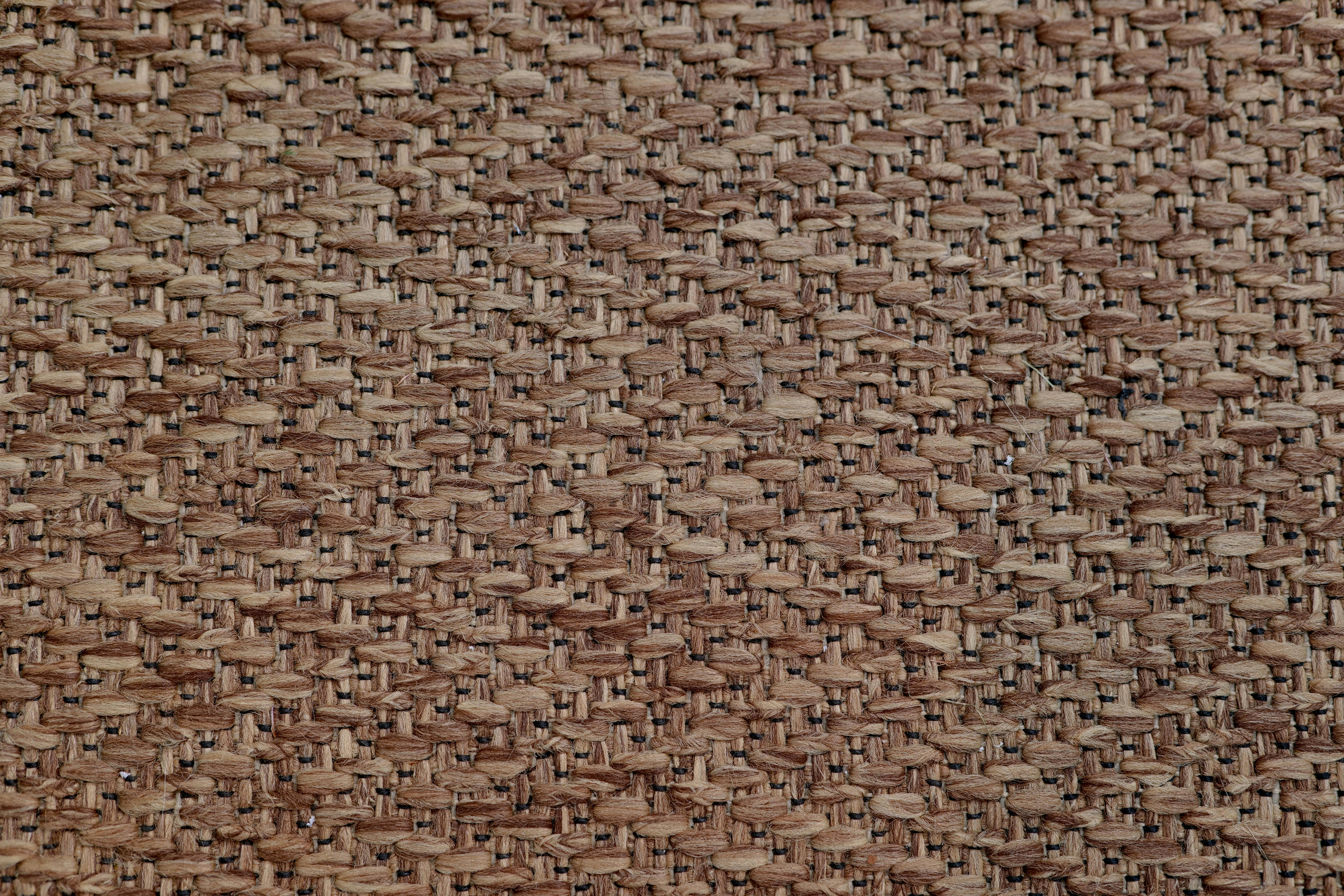
Rugs don’t just live under your feet they define how a room feels. Layering them gives a space instant personality without trying too hard. Start with a big, flat foundation jute or sisal sets the tone. Then throw a smaller, softer rug over it. Think patterned wool or vintage kilim for contrast. Size matters here: keep your top rug small enough to show off the texture and tone underneath.
Mixing prints? Go for it but keep at least one rug relatively simple to avoid chaos. Pattern clash can work, if one of the designs is more muted.
In open concept homes, rugs become the walls you don’t have. Use them to mark off your living area, carve out a dining spot, or highlight a reading nook. It’s visual zoning without construction and makes each area feel considered.
Rugs are low effort, high reward. Layer smartly and let them do the heavy lifting on warmth and flow.
Accent Pieces and Finishing Touches
The smallest objects often make the biggest impact. Ceramics, wood carvings, old books, and hand woven baskets all of these bring texture and a sense of story to a room. They don’t have to match. In fact, it’s better if they don’t. Stack books sideways, place a carved bowl on top; let it feel collected, not curated.
Metallics bring contrast, but they can easily go overboard. Stick to one or two finishes brass, chrome, or blackened steel and repeat them subtly across the space. A lamp, the edge of a mirror, or a single decorative object is enough to catch light and add a sleek edge without overwhelming the room.
And here’s the trick most people miss: leave room for the eye to breathe. Negative space doesn’t mean empty it means intentional. Let a clean tabletop sit next to a layered shelf. Balance matters. Without restraint, depth turns to clutter. With it, your space speaks volumes quietly.
Color Ties It All Together
Color doesn’t need to shout to make a statement. In fact, the strongest interiors often lean into restraint. Stick to a tight palette two to three tones max. This doesn’t mean your space has to feel flat. You can build a lot of depth by layering shades from the same color family and letting texture do the heavy lifting.
Think tonal: a spectrum of warm greys or sandy neutrals can look both calm and rich if you mix in rough linens, nubby upholstery, and matte ceramics. That’s the trick contrast you can feel, not just see. Tone on tone color stories paired with varied materials tend to look more expensive than loud combos trying too hard to pop. Crisp execution matters, but so does confidence. Curate your colors, then let the textures bring everything to life.
Pro Tip: Don’t Overthink It
Layering is not a test it’s a rhythm. The best spaces don’t feel “decorated,” they feel lived in. If your throw blanket sits slightly crooked or your pillows aren’t perfectly symmetrical, good. That’s the point. Visual texture thrives in small imperfections and creative combos you didn’t plan too hard.
Lean into what feels natural. Combine what you love, even if it breaks a so called design rule. Balance a sleek leather chair with a lumpy knit pillow. Stack glossy magazines under a raw ceramic bowl. If it feels good, it’s working.
Still unsure if you’ve pushed it too far or not far enough? Step back, take it all in, then tweak just one thing and see what changes. And whenever you hit a wall, check out our updated guide packed with no fluff advice: layering decor tips.
 Norvain Elthros has opinions about interior decorating tips. Informed ones, backed by real experience — but opinions nonetheless, and they doesn't try to disguise them as neutral observation. They thinks a lot of what gets written about Interior Decorating Tips, Outdoor Living Ideas, Creative Concepts is either too cautious to be useful or too confident to be credible, and they's work tends to sit deliberately in the space between those two failure modes.
Reading Norvain's pieces, you get the sense of someone who has thought about this stuff seriously and arrived at actual conclusions — not just collected a range of perspectives and declined to pick one. That can be uncomfortable when they lands on something you disagree with. It's also why the writing is worth engaging with. Norvain isn't interested in telling people what they want to hear. They is interested in telling them what they actually thinks, with enough reasoning behind it that you can push back if you want to. That kind of intellectual honesty is rarer than it should be.
What Norvain is best at is the moment when a familiar topic reveals something unexpected — when the conventional wisdom turns out to be slightly off, or when a small shift in framing changes everything. They finds those moments consistently, which is why they's work tends to generate real discussion rather than just passive agreement.
Norvain Elthros has opinions about interior decorating tips. Informed ones, backed by real experience — but opinions nonetheless, and they doesn't try to disguise them as neutral observation. They thinks a lot of what gets written about Interior Decorating Tips, Outdoor Living Ideas, Creative Concepts is either too cautious to be useful or too confident to be credible, and they's work tends to sit deliberately in the space between those two failure modes.
Reading Norvain's pieces, you get the sense of someone who has thought about this stuff seriously and arrived at actual conclusions — not just collected a range of perspectives and declined to pick one. That can be uncomfortable when they lands on something you disagree with. It's also why the writing is worth engaging with. Norvain isn't interested in telling people what they want to hear. They is interested in telling them what they actually thinks, with enough reasoning behind it that you can push back if you want to. That kind of intellectual honesty is rarer than it should be.
What Norvain is best at is the moment when a familiar topic reveals something unexpected — when the conventional wisdom turns out to be slightly off, or when a small shift in framing changes everything. They finds those moments consistently, which is why they's work tends to generate real discussion rather than just passive agreement.