
I’ve designed hundreds of spaces over the years and I keep seeing the same mistake.
People jump straight into picking paint colors and furniture before they understand how their space actually needs to work. Then they wonder why their home feels off or their office kills productivity.
Here’s the thing: good design isn’t about following trends. It’s about understanding a few core principles that work whether you’re setting up a home office or redesigning your living room.
I’m going to walk you through the fundamentals that matter. Space planning. Light. Function. The stuff that makes a room feel right.
At thtintdesign, we’ve spent years testing what actually works in real spaces. Not just what looks good in magazines. What holds up when you’re living and working in these environments every day.
You’ll learn how residential and commercial design differ (and where they overlap). More importantly, you’ll understand how to apply these principles to your specific project.
No fluff about the latest color of the year. Just the framework you need to create spaces that actually work for you.
The Universal Language of Design: Core Principles for Any Space
You walk into a room and something just feels right.
You can’t quite put your finger on it. But the space works. Everything clicks.
That’s not magic. It’s design principles doing their job.
I’m going to walk you through the core concepts that make any space feel complete. Whether you’re working on a bedroom or rethinking your living room layout.
Balance keeps your eyes from getting tired
Think about it like this. When you look at a room, your brain is constantly weighing what it sees. Too much visual weight on one side? The whole space feels off.
Symmetrical balance is the easiest to spot. A sofa with matching end tables on both sides. Two identical lamps flanking a bed. It feels formal and calm.
Asymmetrical balance takes more work but feels more relaxed. You might put a tall plant on one side of a fireplace and balance it with a low chair and side table on the other. Different objects, same visual weight.
Radial balance radiates from a center point. Picture a round dining table with chairs arranged around it.
Rhythm guides your eye through the room
When I repeat certain elements, I create a path for your eyes to follow. Same throw pillow fabric on the sofa and the accent chair. Wood tones that show up in the coffee table and picture frames.
It’s like a visual beat that keeps the space from feeling chaotic.
Here’s what rhythm looks like in practice:
| Element | How to Repeat It |
|---|---|
| ——— | —————— |
| Color | Use your accent color in 3-5 spots around the room |
| Pattern | Echo a geometric pattern in pillows, rugs, or artwork |
| Material | Repeat metals (brass, chrome) or wood finishes |
| Shape | Carry round shapes from mirrors to tables to decor |
Harmony makes everything feel like it belongs
This is where a lot of people mess up. They find pieces they love individually but the room never comes together.
I stick to a cohesive color palette. Usually three to five colors max. And I make sure the style stays consistent. You can mix modern with traditional (that’s called transitional), but you need a plan.
Emphasis gives your eye somewhere to land
Every room needs a star. A focal point that draws you in first.
Sometimes architecture gives you this for free. A fireplace or a big window with a view. Other times you create it. A bold piece of art. A feature wall painted in a contrasting color. Even something like why should I install a vessel sink Thtintdesign explores how a single standout element can transform a bathroom.
Once you have your focal point, arrange everything else to support it.
Scale and proportion control how a space feels
Big furniture in a small room makes the walls close in. Tiny furniture in a large room looks like it’s floating in a void.
I measure before I buy anything. And I think about proportion between pieces too. Your coffee table should be about two-thirds the length of your sofa. Your nightstand should be close to the height of your mattress (give or take a few inches).
Want to make a room feel bigger? Use fewer, larger pieces instead of lots of small ones. Want it to feel cozy? Do the opposite.
These principles work together. You don’t use just one. You layer them until the room feels complete.
Residential Design: Crafting a Personal Haven
Your home should feel like it’s actually yours.
Not like a magazine spread. Not like your neighbor’s place. Yours.
I see a lot of people get stuck trying to copy what looks good online. They end up with spaces that look fine in photos but feel off when they’re actually living in them.
Here’s what matters more.
Creating zones that work for how you actually live. Your living room isn’t just one big box. It’s where you watch TV, read, maybe work from home on Fridays. Each activity needs its own little territory without walls boxing everything in. Just as a well-designed living room creates distinct zones for relaxation, entertainment, and productivity, a thoughtfully curated can serve as the ultimate portal, seamlessly guiding gamers through their diverse interests and experiences.
Think about how you move through your space too. If you’re constantly dodging furniture to get from the kitchen to the couch, something’s wrong. Good traffic flow means you don’t even think about it.
Now let’s talk about color and light.
Warm colors make a room feel cozy. Cool colors open things up and calm things down. But here’s the real secret: layered lighting changes everything. You need ambient light for general visibility, task lighting where you actually do stuff, and accent lighting to highlight what matters.
One overhead fixture? That’s not going to cut it.
Materials and texture add the kind of depth that makes a space feel lived in. Wood brings warmth. Stone adds weight and permanence. Textiles soften everything and make you want to actually sit down and stay awhile.
The trick is picking materials that look good but can handle real life. (Because that white couch might be beautiful until your first coffee spill.)
When I work on projects at thtintdesign, I always come back to this: your home should support your actual lifestyle, not some idealized version of it. Design around how you really live, and you’ll end up with a space that feels right every single day.
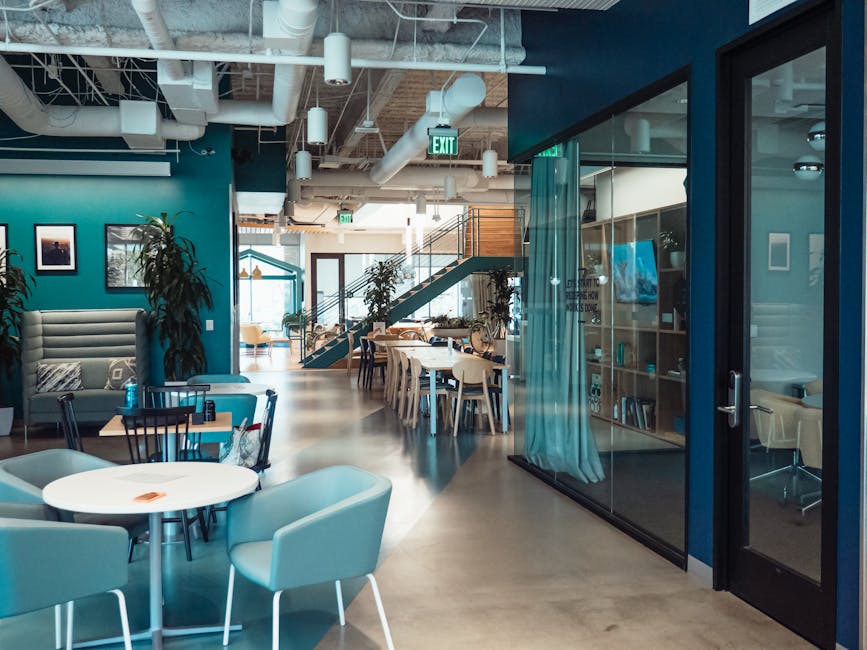
Office Design: Engineering for Productivity and Brand

Most people think office design is about making things look nice.
They’re missing the point.
Your office space is a tool. It either helps your team work better or it gets in their way.
I’ve walked through enough offices to know the difference. Some spaces feel alive. People move with purpose. They know where to go for focused work and where to collaborate.
Others? They’re just expensive mistakes with fancy furniture.
Here’s my take. If your office design doesn’t reflect what your company actually does, you’ve already failed. A creative agency needs different spaces than an accounting firm. Sounds obvious but you’d be surprised how many companies ignore this.
The layout debate never ends.
Open plan advocates say it builds culture and breaks down silos. They’re right about one thing. It does force interaction.
But I’ve seen too many developers wearing noise-canceling headphones for eight hours straight because they can’t think with constant chatter. That’s not collaboration. That’s survival mode.
The answer isn’t picking one model and calling it done. You need both. Quiet zones for deep work. Meeting rooms that actually have proper acoustics (not those glass boxes where everyone outside can watch you present). Breakout areas that people actually want to use.
Ergonomics isn’t optional anymore.
Your team spends 40+ hours a week in those chairs. If someone’s back hurts by Wednesday, that’s on you. Adjustable desks and monitor arms aren’t perks. They’re basic requirements for anyone working at a computer.
And yeah, throw in some plants. Natural light matters more than most people realize. Studies from the World Green Building Council show that access to daylight can improve productivity by up to 18%. Your brain knows when it’s stuck in a fluorescent cave.
I’m a big believer in biophilic design. Not because it’s trendy but because it works. People feel better around living things and natural materials.
Now here’s what nobody talks about.
Your beautiful office needs to survive real use.
I see companies spend a fortune on designer furniture that falls apart in two years. Or flooring that shows every scuff mark. That’s not design. That’s waste.
Commercial-grade materials cost more upfront. But when you’re not replacing carpet tiles every 18 months or fixing wobbly desk legs, you come out ahead. Check out thtintdesign for practical ideas that actually hold up.
Your office should work as hard as your team does. If it doesn’t, you’re just paying rent on a pretty problem.
Key Differences at a Glance: Home vs. Office
Let me break this down for you.
People ask me all the time why office furniture costs more than home stuff. Or why their beautiful dining chairs wouldn’t work in a conference room.
The answer isn’t what you think.
It’s about purpose.
Your home exists for you. You pick what feels right. What looks good. What makes you comfortable when you walk through the door after a long day.
An office? That’s different. It needs to work for everyone who walks through it. And it needs to keep working year after year.
Here’s what that means in practice.
Durability matters more in offices. That desk chair at home might get used a few hours a day. An office chair? It’s getting sat in for eight hours straight by different people with different weights and habits. The materials have to hold up. Fire codes come into play. Safety standards get stricter.
Flexibility changes everything. When I design spaces at thtintdesign, I see this constantly. Your living room stays a living room. But that office conference room? Next month it might need to fit six people instead of twelve. Or become a training space. Office furniture needs to move and adapt. In the ever-evolving landscape of adaptable spaces, one might wonder, “Why Should I Install a Vessel Sink Thtintdesign,” especially when such a choice can seamlessly enhance both functionality and aesthetic appeal in a multifunctional environment.
Personalization works differently too. At home you can paint your bedroom purple if you want. Nobody cares. But offices reflect a brand. A shared identity. Everyone who works there needs to feel like they belong in that space.
Same furniture. Completely different rules.
From Blueprint to Beautiful Reality
You now understand the core principles that make interior design work.
The real challenge was never about picking the right sofa or paint color. It’s about creating a space that actually serves its purpose while looking good.
Here’s what matters: homes need to feel personal and comfortable. Offices need to reflect your brand while keeping people productive. When you nail both function and style, the space works.
I’ve seen too many people skip the planning phase and jump straight to shopping. They end up with rooms that look fine in photos but feel wrong in real life.
Use these principles as your checklist. Before you buy anything or move furniture around, ask yourself if it serves the space’s real purpose.
thtintdesign gives you the tools and inspiration to make these decisions with confidence. We focus on practical design that fits how you actually live and work.
Your next project doesn’t have to be overwhelming. Start with one room and apply what you’ve learned here.
The difference between a space that looks designed and one that feels right comes down to intention. You have that now. Online Furniture Selection Thtintdesign. Which Desk Should I Buy Thtintdesign.
 Norvain Elthros has opinions about interior decorating tips. Informed ones, backed by real experience — but opinions nonetheless, and they doesn't try to disguise them as neutral observation. They thinks a lot of what gets written about Interior Decorating Tips, Outdoor Living Ideas, Creative Concepts is either too cautious to be useful or too confident to be credible, and they's work tends to sit deliberately in the space between those two failure modes.
Reading Norvain's pieces, you get the sense of someone who has thought about this stuff seriously and arrived at actual conclusions — not just collected a range of perspectives and declined to pick one. That can be uncomfortable when they lands on something you disagree with. It's also why the writing is worth engaging with. Norvain isn't interested in telling people what they want to hear. They is interested in telling them what they actually thinks, with enough reasoning behind it that you can push back if you want to. That kind of intellectual honesty is rarer than it should be.
What Norvain is best at is the moment when a familiar topic reveals something unexpected — when the conventional wisdom turns out to be slightly off, or when a small shift in framing changes everything. They finds those moments consistently, which is why they's work tends to generate real discussion rather than just passive agreement.
Norvain Elthros has opinions about interior decorating tips. Informed ones, backed by real experience — but opinions nonetheless, and they doesn't try to disguise them as neutral observation. They thinks a lot of what gets written about Interior Decorating Tips, Outdoor Living Ideas, Creative Concepts is either too cautious to be useful or too confident to be credible, and they's work tends to sit deliberately in the space between those two failure modes.
Reading Norvain's pieces, you get the sense of someone who has thought about this stuff seriously and arrived at actual conclusions — not just collected a range of perspectives and declined to pick one. That can be uncomfortable when they lands on something you disagree with. It's also why the writing is worth engaging with. Norvain isn't interested in telling people what they want to hear. They is interested in telling them what they actually thinks, with enough reasoning behind it that you can push back if you want to. That kind of intellectual honesty is rarer than it should be.
What Norvain is best at is the moment when a familiar topic reveals something unexpected — when the conventional wisdom turns out to be slightly off, or when a small shift in framing changes everything. They finds those moments consistently, which is why they's work tends to generate real discussion rather than just passive agreement.