
Seal the Leaks First
Before upgrading appliances or splurging on solar, tighten up your home’s basic defense: the envelope. The usual suspects windows, doors, and attic access points leak more heat than most people realize. Drafts around these areas let warm air escape in winter and let it in during summer, making your HVAC system work double time.
Grab a stick of incense or a lighter and walk the perimeter on a breezy day. If the smoke dances or the flame flickers near a seam, you’ve found a leak. Seal gaps around windows and doors with weatherstripping or caulk. For bigger holes or attic entries, use expanding insulation foam. These fixes are cheap, fast, and effective delivering immediate gains in comfort and lower utility bills.
In energy efficiency, sealing comes first. It’s not glamorous, but it works.
Upgrade to Smarter Lighting
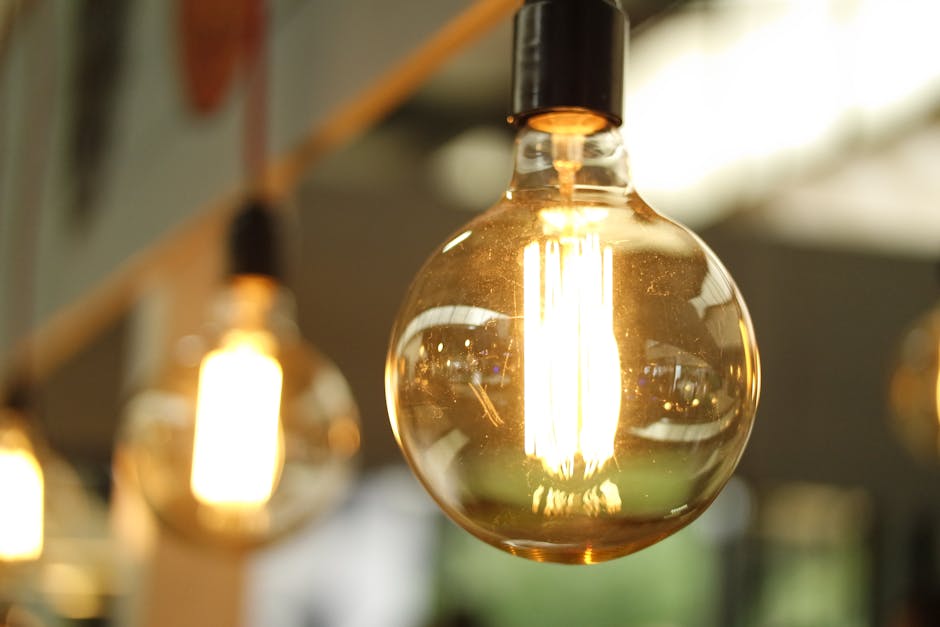
One of the simplest ways to cut down your home’s energy use is by ditching old incandescent bulbs. LEDs are cheaper to run, last longer, and use a fraction of the energy. It’s a swap you can make room by room if needed no need to overhaul everything in a weekend.
Smart bulbs take it a step further. Set timers. Dim lights when you don’t need the full glow. Control everything from your phone, even when you’re not home. You stop wasting electricity for lights that don’t need to be on in the first place.
It’s a minor adjustment with a real impact. Lower bills, longer lasting bulbs, better daily control. Nothing flashy just a smarter, more efficient setup that adds up over time.
Insulate Strategically
If your home isn’t insulated properly, you’re basically throwing money out the window and the attic, and the basement. Adding or upgrading insulation in these areas can have an outsized impact on your energy efficiency. It keeps warm air in during the winter and heat out in summer. Your HVAC system won’t have to work extra shifts just to keep things livable.
Think of insulation as a pressure valve for your home’s temperature. The better the barrier, the less energy you burn trying to compensate. And there’s a solid side perk here too: quieter rooms. Good insulation absorbs sound, which makes a difference if you’re near loud neighbors, busy streets, or just want peace between floors.
Bottom line: the right insulation saves you money, reduces system stress, and dials up indoor comfort without fancy tech or huge renovations.
Choose Energy Efficient Appliances
When you’re upgrading appliances, the ENERGY STAR label isn’t just a nice bonus it’s a must. That little blue tag signals lower energy use, which means lower bills over time. And these aren’t niche products anymore. You can find ENERGY STAR versions of everything from fridges to washing machines to microwaves.
Old appliances might still work, but they usually burn way more power than they should. A decade old dishwasher or fridge can quietly double your energy costs every month. Even smaller items like toasters or microwaves can add up if they’re outdated.
Don’t sleep on the big ticket items either water heaters and refrigerators eat up a huge chunk of household energy. If they’re not efficient, you’re paying for it every single day. Modern appliances do the same job with way less energy. It’s a no brainer: spend a bit upfront, save a lot down the line.
Adjust How You Heat and Cool
Heating and cooling eat up a big chunk of your energy bill, but you don’t need to overhaul your whole system to see savings. Start with a programmable or smart thermostat it lets you control temperatures based on your schedule without thinking about it. Set it lower during the night or when you’re not home, and you’ll start trimming costs fast.
Next, regular maintenance matters more than you think. A dusty or neglected HVAC system works harder than it should, eating up energy without delivering better comfort. Simple tune ups cleaning filters, checking ductwork, scheduling check ins keep everything running lean.
And finally, don’t ignore your habits. Turning the heat down just a few degrees at night or when you’re away might not seem like much, but over a month or a season, it adds up. Small shifts in behavior, paired with smarter tools, create steady change.
For more in depth energy efficiency tips, check out our full guide.
Use Curtains and Blinds to Regulate Heat
Your windows are doing more than letting in light they’re also silently affecting your energy bill. That’s where thermal curtains do their part. In winter, they trap heat inside instead of letting it leak into the cold. In summer, they block out the harsh rays that overheat your space. It’s a simple switch put them up once, benefit for years.
But don’t forget basic habits: during cold months, open your blinds when the sun’s out. Let the light do a little work, naturally warming rooms without touching the thermostat. Then close them again at sunset to seal in the heat. It’s the definition of passive energy savings: low effort, steady gain. Over time, these choices stack up and shave noticeable dollars off your bill.
Consider Renewable Add Ons
Solar isn’t just for off grid idealists anymore. In 2024, panel prices have dropped to their most accessible point yet, making it a practical choice for homeowners looking to cut long term energy costs. Installation is faster, incentives are still available in many areas, and new systems are designed to blend into existing roofs without the old eyesore factor.
Beyond panels, solar water heaters deserve a look. They take pressure off your main power supply and are especially useful in sunnier climates. If your area deals with frequent outages or high peak hour energy costs, battery backups create breathing room. They store excess power from your panels and kick in when needed quietly and automatically.
The math works out, too. As utility prices climb, your return on renewable investments only gets stronger. What might’ve taken 10 years to pay off could now take five. Even if you’re not ready to go all in, starting small with modular systems still moves the dial in the right direction.
Mind Daily Habits
You don’t need a full remodel to start saving energy it starts with the small stuff. Wash your laundry in cold instead of hot. Modern detergents work just fine without the heat, and you’ll cut down heavily on electricity use. Unplug devices you’re not actively using. Phantom power the stuff your electronics pull even when off adds up faster than you think. And lower your water heater temp; most homes can get by comfortably at 120°F.
These quiet changes don’t cost much, and they don’t take much time. But over a month? You’ll start noticing the savings. Stack enough of them together, and it’s real money off your utilities, without making your home feel any different.
For a deep dive into sustainable strategies, see more expert energy efficiency tips.
 Norvain Elthros has opinions about interior decorating tips. Informed ones, backed by real experience — but opinions nonetheless, and they doesn't try to disguise them as neutral observation. They thinks a lot of what gets written about Interior Decorating Tips, Outdoor Living Ideas, Creative Concepts is either too cautious to be useful or too confident to be credible, and they's work tends to sit deliberately in the space between those two failure modes.
Reading Norvain's pieces, you get the sense of someone who has thought about this stuff seriously and arrived at actual conclusions — not just collected a range of perspectives and declined to pick one. That can be uncomfortable when they lands on something you disagree with. It's also why the writing is worth engaging with. Norvain isn't interested in telling people what they want to hear. They is interested in telling them what they actually thinks, with enough reasoning behind it that you can push back if you want to. That kind of intellectual honesty is rarer than it should be.
What Norvain is best at is the moment when a familiar topic reveals something unexpected — when the conventional wisdom turns out to be slightly off, or when a small shift in framing changes everything. They finds those moments consistently, which is why they's work tends to generate real discussion rather than just passive agreement.
Norvain Elthros has opinions about interior decorating tips. Informed ones, backed by real experience — but opinions nonetheless, and they doesn't try to disguise them as neutral observation. They thinks a lot of what gets written about Interior Decorating Tips, Outdoor Living Ideas, Creative Concepts is either too cautious to be useful or too confident to be credible, and they's work tends to sit deliberately in the space between those two failure modes.
Reading Norvain's pieces, you get the sense of someone who has thought about this stuff seriously and arrived at actual conclusions — not just collected a range of perspectives and declined to pick one. That can be uncomfortable when they lands on something you disagree with. It's also why the writing is worth engaging with. Norvain isn't interested in telling people what they want to hear. They is interested in telling them what they actually thinks, with enough reasoning behind it that you can push back if you want to. That kind of intellectual honesty is rarer than it should be.
What Norvain is best at is the moment when a familiar topic reveals something unexpected — when the conventional wisdom turns out to be slightly off, or when a small shift in framing changes everything. They finds those moments consistently, which is why they's work tends to generate real discussion rather than just passive agreement.